Swim Stages Roadmap
From baby’s first splash to confident independent swimming
Our swimming pathway supports children from their very first experience in the water through to confident, independent swimming. Starting from around 3 months old, swimmers build water confidence, safety awareness, movement skills and stroke technique step by step, progressing through our Baby, Toddler and Learn to Swim stages.
Each of the Bristol Swim Club swim stages follow the Swim England Learn to Swim Programme - a world-leading syllabus designed to help children become safe, confident and competent swimmers.
Placement is based on confidence, ability and individual needs rather than age alone, so every swimmer can progress at the right pace for them.
3-12 Months
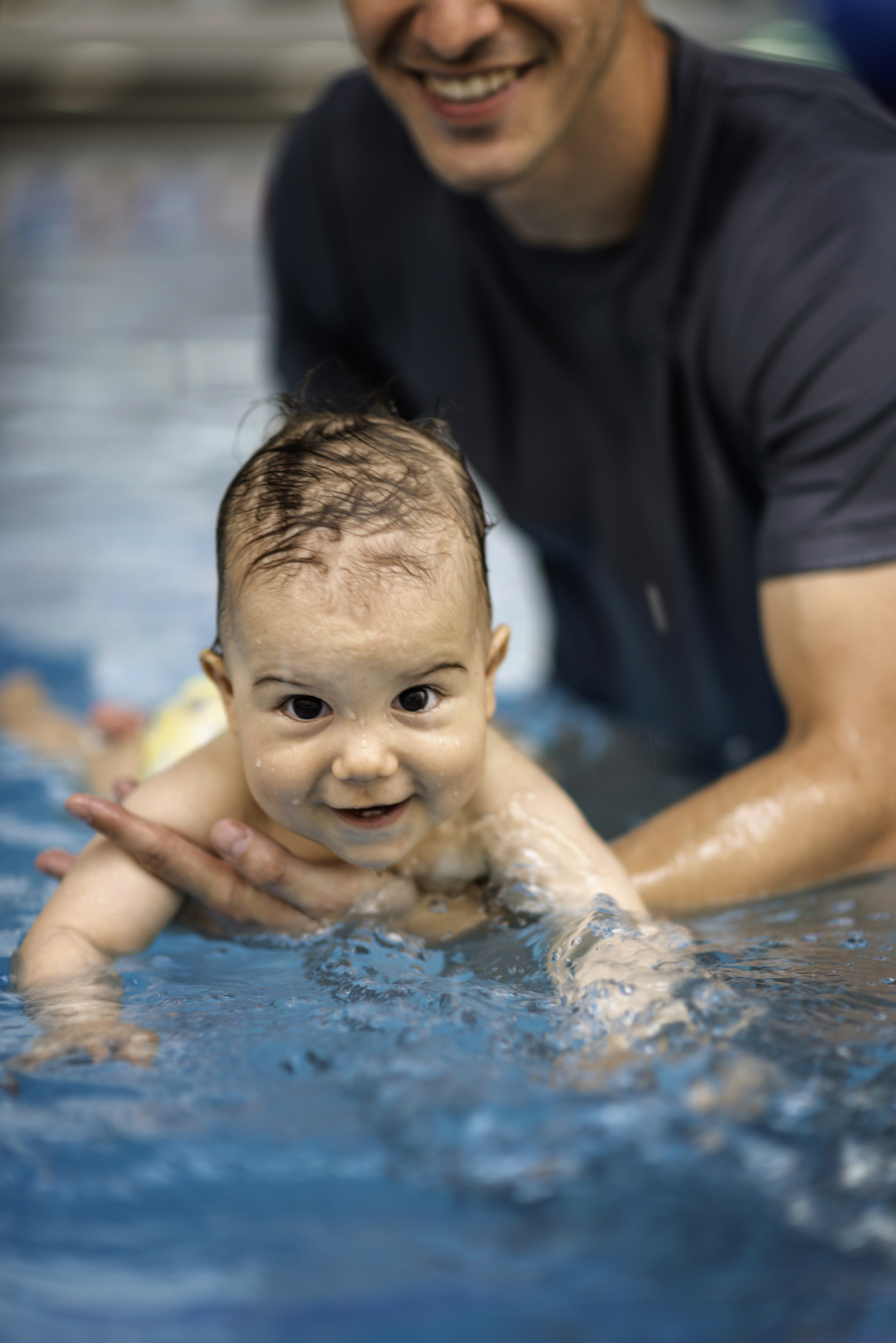
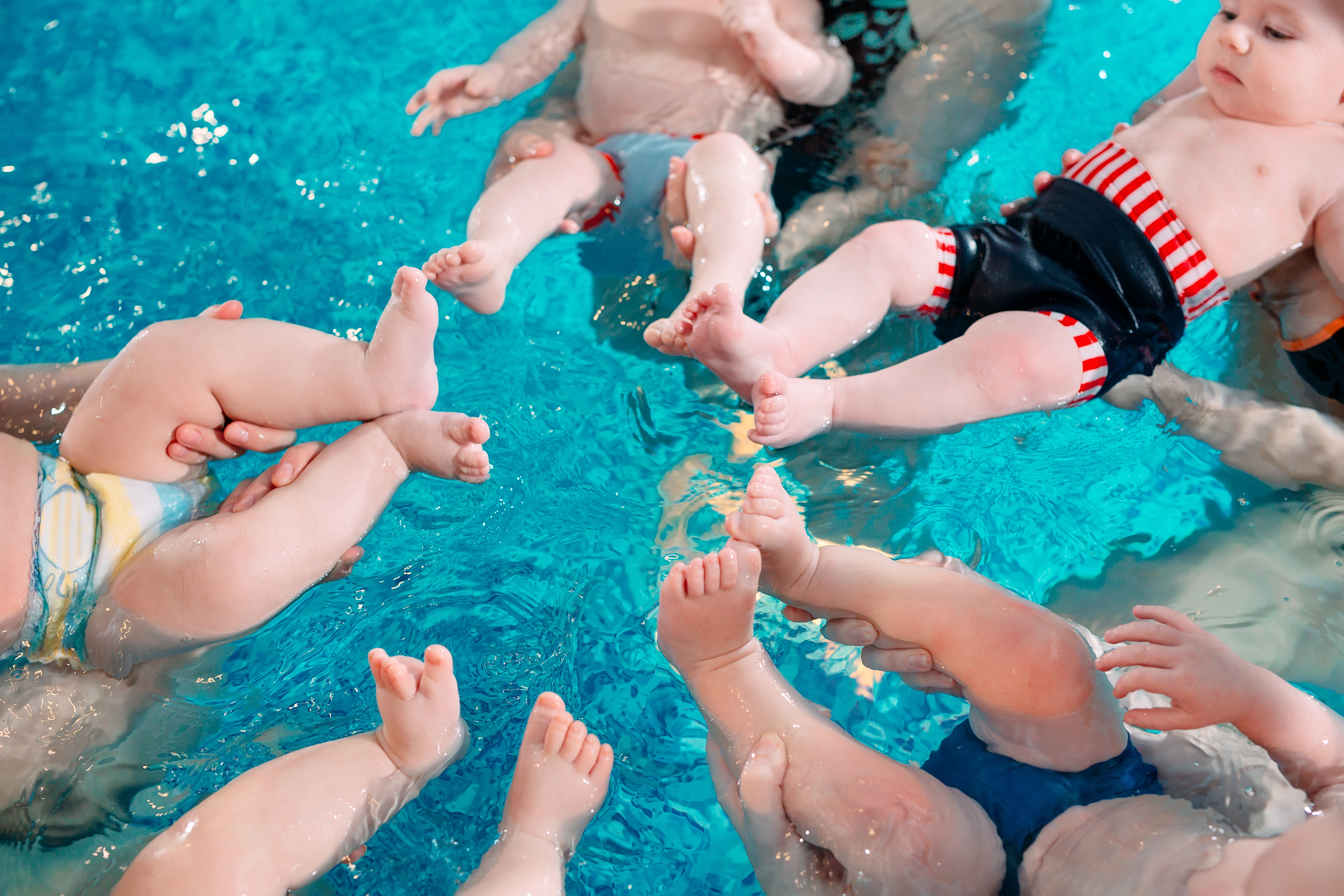
Baby Beginners
A gentle introduction to swimming for babies who are new to the water or still building confidence. With a parent or carer in the water, babies become familiar with the pool environment through songs, toys, repetition and playful activities.
Skills Include:
Safe water entry and exit with parent/carer support
Gentle splashing and movement through the water
Supported front and back floating
Gentle kicking and movement
Bubbles and water confidence
Reaching for toys and moving through the water
Introduction to shallow submersions, with parent consent
12-24 Months
Baby Advance
Progressing on from our Baby Beginners class, Baby Advance is for babies who are already happy in the water and ready for more movement and confidence-building activities. Lessons remain fun and playful while introducing more active games and early independence.
Skills include:
Supported front and back floating
More independent travel in the water
Developmental games and play
Gentle rotations and body control
Introduction to push-and-glide preparation
Early self-rescue and water-safety activities
Controlled underwater swims
2-3 Years
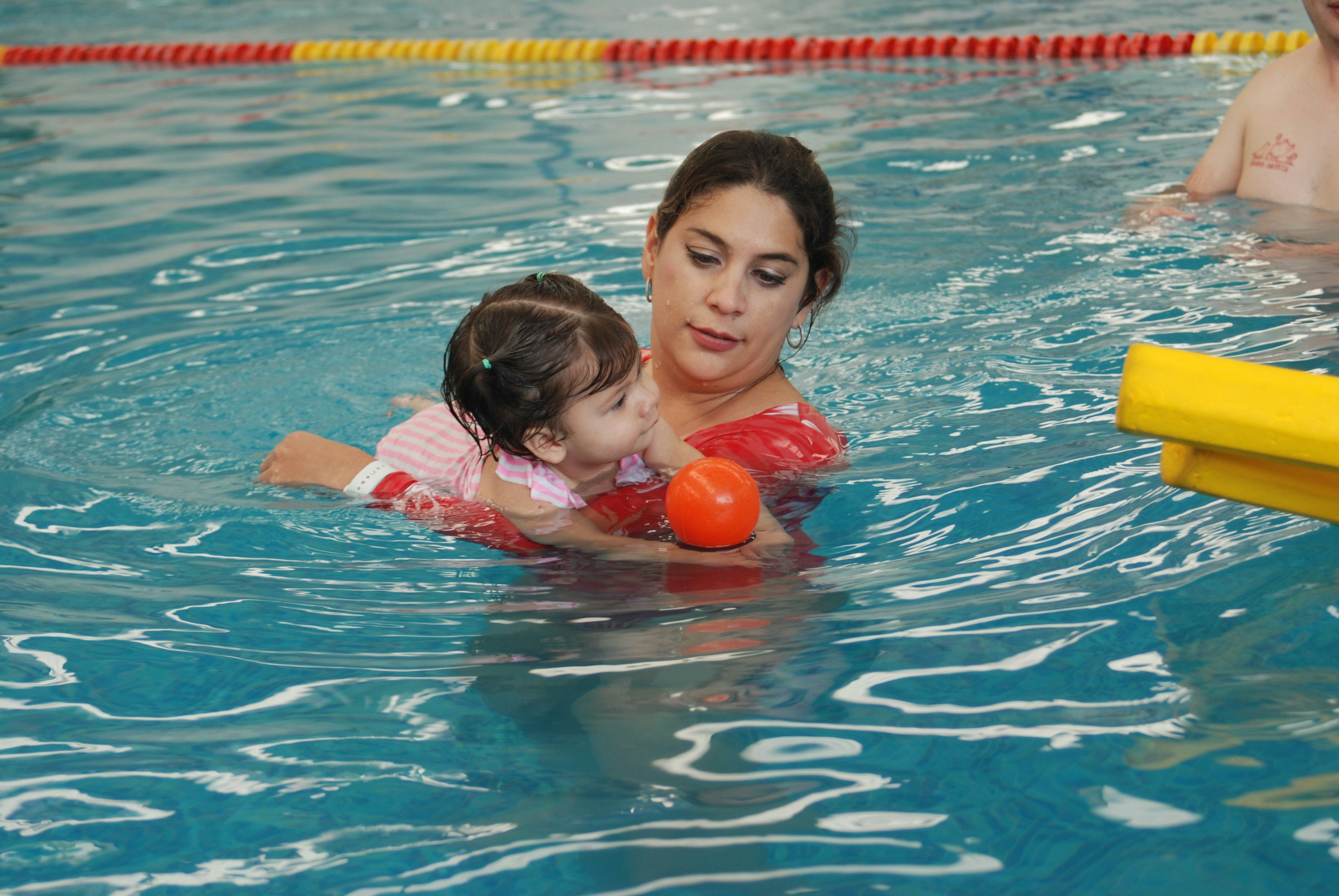
Toddler Beginners
A structured progression class for children who have completed, or are ready to move on from, our Baby Advance classes. This class is designed for toddlers and pre-school children who are becoming more independent in the water, while still needing parent/carer support.
Children do not need to be able to swim independently to join this class.
Skills include:
Independent safe entries and exits
Introduction to breathing control
Developing independence in the water
Floating with and without equipment
Short-distance independent travel
Turning and returning to the poolside
Water-safety skills
3-4 Years
Preschooler
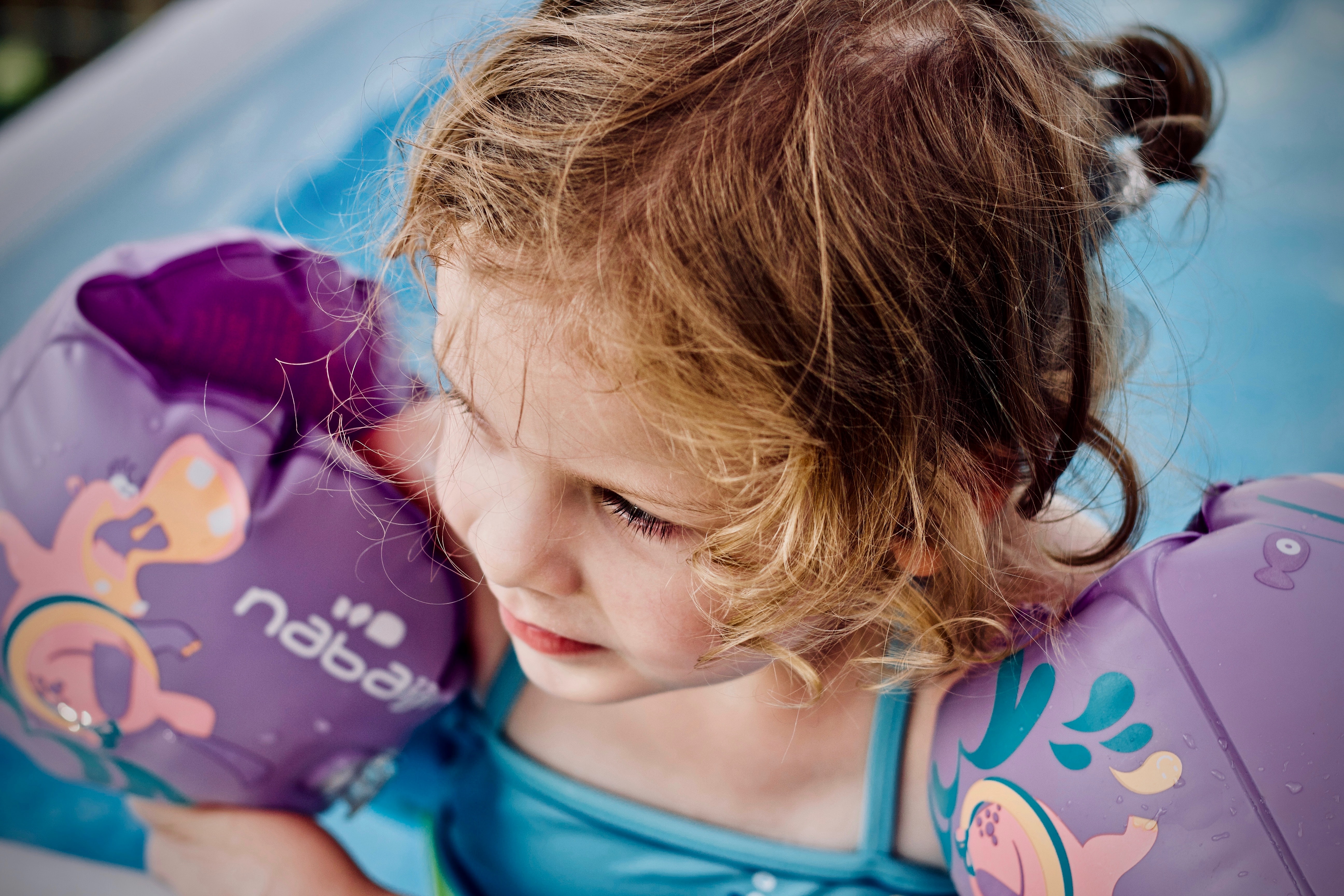
A confidence-building class for toddlers and pre-school children who are ready to take part independently, without a parent or carer in the water. This stage prepares swimmers for Learn to Swim Stage 1 by developing core water confidence, safety awareness and early swimming skills.
Skills include:
Safe independent entries and exits
Front and back floating
Bubbles, face wetting and submersion confidence
Push and glide
Independent travel over short distances
Rotation and returning safely to the wall
Climbing out safely
Foundations for independent swimming lessons
Stage 1
Learn to Swim Stage 1
The first step into independent swimming lessons. This stage takes place in the shallow end of the pool and helps children build confidence, understand basic pool safety and learn how to move safely in the water. Aimed at primary age children, this is the first swim stage without an accompanying parent in the water with the child.
Skills include:
Safe entry and exit
Moving forwards, backwards and sideways
Scooping water and washing the face
Becoming comfortable with water from overhead
Floating on the front and back, then returning to standing
Push and glide on the front and back
Learning simple pool safety rules
Stage 2
Learn to Swim Stage 2
Stage 2 develops greater independence in the water. Swimmers begin travelling short distances without flotation equipment and practise important floating, rotation and breathing skills.
Skills include:
Jumping in safely from poolside
Blowing bubbles with mouth and nose submerged
Floating on the front and back without support
Push and glide on the front and back
Travelling 5 metres on front and back
Tuck rotations and log rolls
Exiting the water without support
Stage 3
Learn to Swim Stage 3
Stage 3 introduces deeper water, where children may not be able to touch the floor. Swimmers build confidence out of their depth while developing underwater skills, independent travel and core swimming techniques.
Skills include:
Jumping in and submerging
Sinking, pushing away and holding a streamlined shape
Push and glide with log rolls
Travelling 5 metres and rotating from front to back
Fully submerging to pick up an object
Learning key water safety messages
Swimming 10 metres on the front and back
Holding a tuck float and exiting without steps
Stage 4
Learn to Swim Stage 4
Stage 4 develops stronger aquatic skills and introduces more stroke-specific technique. Swimmers continue working in deeper water and begin improving kicking actions for all four strokes.
Skills include:
Understanding buoyancy through different floating shapes
Push and glide towards the pool floor
Kicking 10 metres backstroke
Kicking 10 metres front crawl
Kicking 10 metres butterfly
Kicking 10 metres breaststroke
Sculling on the back
Log rolling from front to back and back to front
Swimming 10 metres using a stroke of choice
Stage 5
Learn to Swim Stage 5
Stage 5 focuses on technique, coordination and water skills in deep water. Swimmers refine all four strokes while also developing sculling, treading water, jumps, rotations and water safety skills.
Skills include:
Flat and feet-first sculling
Partner sculling and rotation sequences
Treading water for 30 seconds
Performing shaped jumps into deep water
Swimming 10 metres of each stroke
Holding a handstand
Performing a forward somersault
Demonstrating an action for getting help
Stage 6
Learn to Swim Stage 6
Stage 6 builds stamina, breathing technique and advanced water confidence in very deep water. Swimmers work towards swimming longer distances and developing stronger technique across all strokes.
Skills include:
Preparing safely for exercise
Side push-offs, glides, kicks and rotations
Swimming 10 metres wearing clothes
Rhythmical breathing in front crawl, backstroke, breaststroke and butterfly
Swimming 25 metres using a stroke of choice
Performing a shout-and-signal rescue
Performing a surface dive
Stage 7
Learn to Swim Stage 7
Stage 7 is the final stage of the core Learn to Swim pathway. Swimmers develop advanced stamina, stroke quality and aquatic skills, preparing them for the next stage of their swimming journey.
Skills include:
Swimming 25 metres of all four strokes
Performing a one-minute movement sequence in a group
Linking skills such as sculling, floating, rotations and eggbeater action
Performing a sitting dive or dive
Swimming 50 metres continuously
Swimming 100 metres using at least three different strokes
Treading water using eggbeater action
Completing an obstacle course with feet off the pool floor
Beyond
What Comes After Stage 7?
After completing Stage 7, swimmers may choose to continue into more advanced aquatic pathways depending on their interests.
Possible next steps include:
Stroke development
Rookie Lifeguard
Personal survival
Club swimming
Fitness swimming
Open water skills
Competitive swimming pathways
This roadmap helps every swimmer progress from their very first splash to confident, safe and independent swimming.
Helping You Choose the Right Class
Choosing the right swimming class can feel confusing, especially if your child is new to lessons, nervous in the water or has individual needs. These helpful guides explain how we place swimmers, how children progress, and what to do if you’re unsure.
Not Sure Which Stage Is Right?
Not sure where your child should start? Don’t worry - our team can help. Placement is based on confidence, ability and individual needs, not age alone.
Every Swimmer Is Different
We welcome nervous swimmers, SEND swimmers and children who may need extra support. Let us know about any individual needs so we can recommend the most suitable lesson type.
Pool Depth & Confidence
Our early stages take place in the shallow end, while higher stages gradually introduce deeper and very deep water as swimmers become more confident and independent.
How Children Progress
Children move through the pathway when they can consistently demonstrate the key skills for their current stage. Every swimmer progresses at their own pace.
Ready to start swimming?
Try a free taster lesson
Book a free taster lesson and we’ll evaluate current swim skills to then advise the most suitable lesson for your swimmer.